


Cirque Italia
3.78.00 Reviews
App Specs
- Version
- 1.4.0
- Updated On
- License
- Free
- Downloads
- 10,000+
- Developer
- Maestro Tickets
- Categories
- Events
- Platform
- Android
Screenshots
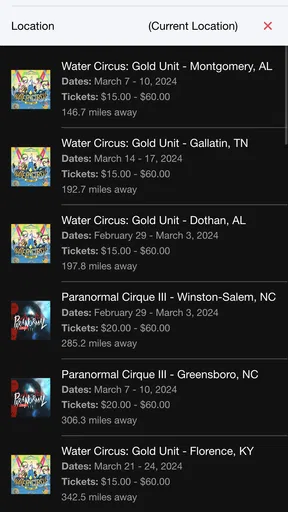
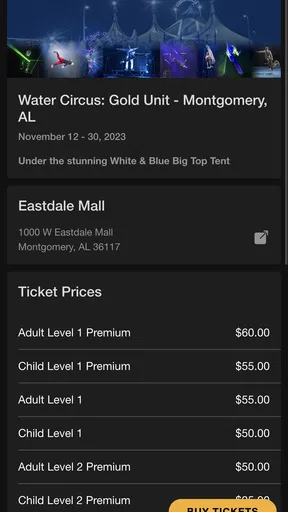
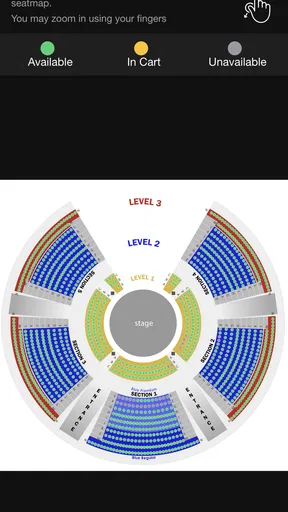
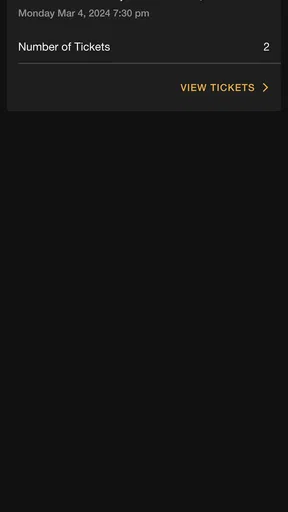
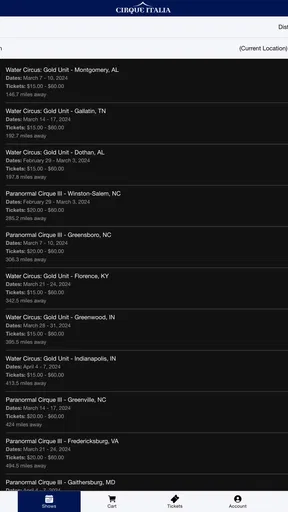
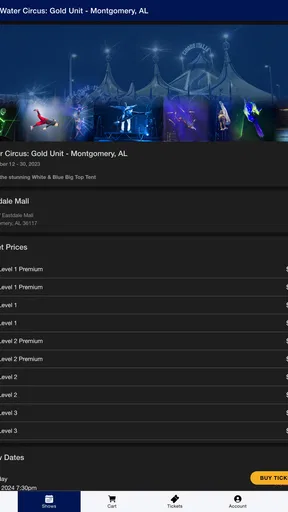
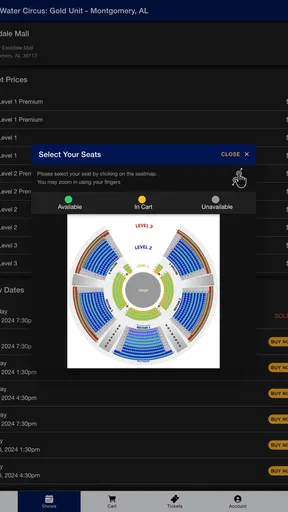
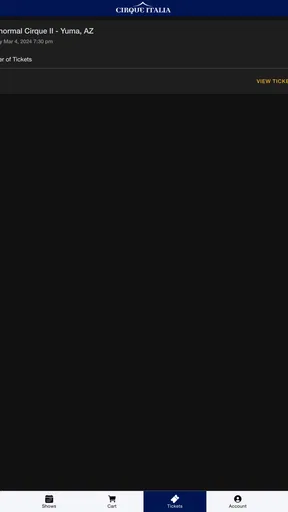
 Analysis by AppCompare
Cirque Italia is an events app from Maestro Tickets that caught my attention for a simple reason: it puts the focus on finding and engaging with Cirque Italia rather than trying to become an all-purpose entertainment platform. After spending time with it, I see the appeal immediately. It is free, rated for Everyone, and aimed at people who want a more direct way to stay connected with a Cirque event experience. The important question, though, is whether that interest lasts after the first look.
My short answer is that its lasting value depends on whether Cirque Italia is part of your real plans. If you are considering a show, arranging a family outing, or already following the production, the app has a clear purpose. If you are only browsing for general events, it may feel narrower than a broad ticket marketplace. That difference shapes almost everything about using it.
What the first week feels like
The first week is where the app makes its strongest impression. The presentation is built around the atmosphere of Cirque Italia, and that makes it more inviting than a plain calendar or generic ticketing page. Instead of treating an event as nothing more than a date and a transaction, it gives the experience a recognizable identity. For someone who has seen promotional material or is deciding whether to attend, that focus helps turn casual curiosity into a concrete plan.
I also like the fact that the app is free to install. There is no obvious barrier to trying it, which matters when a person is still deciding whether a show is suitable for the family. Because the content rating is Everyone, it feels appropriate to consider in a household setting, although parents should still make their own decision based on the particular event and the age of the children attending.
During an initial visit, I would use it in a very practical way: check the event information, discuss possible dates with the people coming along, and keep the app available while making the outing plans. That is a better use case than opening it repeatedly without a specific reason. It works best as part of the decision process around a live event, not as an endless feed designed to fill spare minutes.
The app’s strongest early quality is its focus. A large ticket marketplace may offer concerts, sports, theater, festivals, and many other choices, but that variety can also create noise. Here, the Cirque Italia identity stays central. If that is the show you are researching, the narrower scope can feel more convenient because you are not sorting through unrelated listings.
There is also a useful emotional difference between a dedicated event app and a standard browser search. Search results often mix official pages, resale offers, old announcements, and social posts. A dedicated app gives the experience a more contained starting point. I would still double-check the details before leaving home, especially for a live event where schedules and arrangements matter, but the app is a sensible place to begin.
Worth Reading Before You Choose

EA SPORTS FC Mobile 26 Is a Bigger Football Game, but It Takes Time

Flipboard Shows What News Apps Must Do Beyond the Feed

Switching to Android Auto Means Rethinking Your Driving Routine

Google Calendar Makes a Crowded Week Easier to Manage

Ludo King Makes the Most of the Minutes Between Plans

Baby Panda World Brings Quick Play to Modern Phones, but Its Game Library Feels Busy
My first-week reservation is that a focused app can feel limited once the initial curiosity has been satisfied. If you install it simply because the name sounds interesting, you may not find a reason to open it every day. That is not necessarily a flaw. Events apps should be judged by how well they support an outing, not by whether they imitate a social network.
Planning a real family outing
Imagine a parent trying to organize an evening for two children, a partner, or visiting relatives. The useful workflow is not complicated: open the app when the idea comes up, review the available event information, compare it with everyone’s schedule, and return to it when the group is ready to commit. Keeping that sequence in mind prevents a common mistake with event apps—installing one too early and then forgetting why it is on the phone.
I would also recommend involving the people who are actually attending before making a final decision. A circus outing is a shared experience, so the app is most valuable when it supports a group conversation. Show the relevant information to the family, agree on a date, and avoid relying on memory for the details. This is a small habit, but it reduces the chance of planning around an assumption made during the first visit.
For a spontaneous evening, the app can also be useful as a quick confirmation tool. Rather than searching across several unrelated services, I would start here if Cirque Italia is already the intended destination. That saves time and keeps the research tied to the event itself. The trade-off is obvious: it will not replace a broad discovery service when the group has not decided what kind of entertainment it wants.
Does it earn a place after the novelty fades?
After the first week, the app’s value becomes more occasional and more practical. I would not expect to use it like a messaging app, a game, or a daily news service. Its recurring role is closer to a reference point: return when planning an outing, when someone asks about Cirque Italia, or when you want to revisit event information before attending.
That can still be worthwhile. Not every useful app needs daily engagement. A ticketing or event companion can justify its space by being dependable at the moment it is needed. The best measure here is not how often I open it, but whether it reduces friction when a live-event decision is underway.
The developer, Maestro Tickets, gives the app a clear connection to the ticketing side of the experience. That makes it more purposeful than an unofficial fan page, but it also raises the standard I apply to it. When an app is tied to event planning, I want the information to be easy to understand, the path from interest to action to feel straightforward, and the experience to remain useful after the first promotional impression.
Its current version is 1.3.0, and the app supports Android devices running version 6.0 or later. That broad compatibility makes it accessible to people who keep an older phone instead of upgrading frequently. In practical terms, this is helpful for families who may have different devices in the same household. It also means the app is not restricted to the newest hardware, which suits an event tool that should be easy to share among relatives.
The app has passed the early adoption stage without becoming a massive general-purpose platform. It has over ten thousand installs, an average rating of 3.7, and a modest body of user feedback. I read that combination as a reason to keep expectations measured. There is enough public use to show that people are finding it, but not enough to assume that every situation has been polished through years of widespread use.
That rating is neither a warning sign nor a guarantee. It tells me to pay attention to the practical experience rather than relying on the app’s visual appeal. A dedicated event app can be excellent for one audience and unnecessary for another. The right question is whether you are likely to attend, recommend, or actively follow Cirque Italia. If the answer is yes, keeping it installed makes more sense.
When a different option is better
I would choose a broad ticket marketplace when I am comparing many kinds of entertainment in one search. If my group is undecided between a circus, a concert, a sports match, and a theater performance, a specialized Cirque Italia app is not the most efficient first stop. A general service is better for comparing categories, dates, and alternatives side by side.
I would also prefer a normal web search when I only need a one-time piece of information and do not expect to return. Installing an app has a small maintenance cost: it occupies storage, may need updates, and adds another place to check. For a person who is simply curious about the show, that cost may outweigh the benefit.
On the other hand, someone who has already decided that Cirque Italia is the event they want may find the dedicated approach less distracting. In that situation, the app’s narrow focus becomes an advantage. It keeps the research centered on one experience instead of encouraging a long detour through unrelated choices.
Maintenance, friction, and the reasons fatigue can appear
The maintenance burden is fairly easy to understand. Because this is an event app, its usefulness is tied to changing schedules and current plans rather than to a permanent library of content. I would keep it updated before relying on it for an outing, especially if it has been sitting unused for a while. That is not a criticism unique to this app; live-event information naturally needs attention.
The bigger burden is remembering to use the app at the right time. If friends send details through messages, a family member saves a webpage, and another person checks a ticket service, the information can become scattered. My practical advice is to choose one main planning source for the group and use Cirque Italia as that reference when it contains the relevant event details. This avoids comparing half-remembered information from several places.
I would also take a screenshot or note the important arrangements once the plan is settled, where appropriate. That is a useful safeguard for any event app because it reduces dependence on a last-minute search. It does not replace checking for changes, but it makes the day itself less stressful. The best workflow is to use the app for planning, then prepare a simple backup for the actual journey.
Another source of friction is the difference between discovering an event and completing an outing. An app can help with the first steps, but it cannot solve every practical question a visitor may have. Travel time, parking, accessibility needs, food arrangements, and the attention span of young children still require separate thought. I would not blame the app for those decisions, but I would avoid treating it as the entire planning system.
Fatigue can also come from repetition. If you are not actively considering a Cirque Italia event, opening the app may not produce much new value. A broad entertainment app can keep offering fresh alternatives, while a focused event app has a smaller reason to request your attention. That is why I would avoid leaving notifications or reminders active unless they genuinely help with an upcoming plan.
The dedicated identity can create another trade-off. It makes the experience feel more coherent, but it also means the app is less useful when your interests change. Someone who attends one show and then wants to explore other local events may eventually return to a general platform. This is a normal limitation of specialization, and it is the main reason I would not recommend installing it automatically for every event search.
Three habits that make the app more useful
First, I would open it at the beginning of the planning conversation, not after the group has already made assumptions elsewhere. Starting in one place reduces conflicting details and gives everyone the same reference. This is especially useful when several people are coordinating schedules.
Second, I would use it in two passes. The first pass is for deciding whether the event fits the group. The second is closer to the outing, when I would review the arrangements again. Separating those visits is more reliable than reading everything once and assuming the details will remain fresh in memory.
Third, I would treat the app as an event companion rather than an entertainment destination. That mindset prevents disappointment. Its value is concentrated around a real Cirque Italia plan, and the app becomes easier to judge when I measure it against that job instead of expecting a constant stream of unrelated content.
My long-term verdict on Cirque Italia
After the novelty fades, I think Cirque Italia earns a place on the phone for a specific audience: people who are actively planning to attend, families considering the experience, and followers who want a dedicated connection to the production. For those users, the focused design and free access make sense. The app can simplify the path from curiosity to a shared outing, which is a meaningful benefit even if it is used only occasionally.
I would be more selective for everyone else. If you are looking for a general event finder, a broad ticket marketplace will probably serve you better. If you only need a single detail, a browser may be quicker. If you are unlikely to attend or revisit Cirque Italia, the app may become forgotten space after the initial installation.
My overall impression is positive but deliberately measured. The app’s strength is not endless engagement; it is relevance at the right moment. Its limitations come from the same focus that makes it appealing. A specialized event app cannot offer the breadth of a general service, and it should not be judged as though it were trying to do that.
With its free price, Everyone rating, support for older Android versions, and clear connection to Maestro Tickets, it is easy to try without making a major commitment. I would install it when Cirque Italia is a genuine possibility, use it to coordinate the outing, revisit the details before leaving, and remove it later if I no longer expect to need it. That is the honest long-term balance: useful as a focused planning tool, but not essential as a permanent daily app.
For me, that is enough to recommend it to the right person. The first-week appeal is real, the month-to-month value is occasional rather than constant, and the maintenance is manageable if I keep my planning organized. It does not need to dominate my phone to be worthwhile. It simply needs to make a Cirque Italia visit easier to arrange, and for that particular job, Cirque Italia has a sensible role.
Pros
- Creative circus acts blend acrobatics
- comedy
- music
- and visual effects.
- Indoor venue offers a more comfortable experience in changing weather.
- Shows are suitable for families with children and multiple age groups.
- Performances provide a lively alternative to traditional entertainment.
- Touring format brings the circus to different cities throughout the year.
Cons
- Show schedules and locations vary
- so availability may be limited locally.
- Ticket prices can increase for premium seating and popular performance dates.
- Some acts may feel less impressive to frequent circus attendees.
- Crowded venues can make parking
- entry
- and exits somewhat inconvenient.
- Loud music and sudden effects may bother young children or sensitive viewers.
FAQs for Cirque Italia
What is Cirque Italia?
Cirque Italia is a touring circus entertainment experience known for combining traditional circus acts with modern production elements. Depending on the location and current tour, the show may include acrobatics, aerial performances, balancing acts, comedy, music, lighting effects, and themed storytelling. It is a live event rather than a standalone mobile app, so visitors should check the official schedule for the exact show details.
How can I find Cirque Italia show dates and locations?
Show dates and locations vary because Cirque Italia travels between cities and venues. The best way to find an upcoming performance is to visit the official Cirque Italia website or its verified social media pages and search by city, state, or tour schedule. Event information can change, so confirm the venue, performance time, ticket availability, and any local instructions before making travel plans.
How much do Cirque Italia tickets cost, and are there extra fees?
Ticket prices generally depend on the city, seating section, performance date, promotions, and availability. Some shows may offer discounted tickets, family deals, or limited-time online promotions, while premium seating usually costs more. Online booking may also include service or processing fees. Review the complete checkout total carefully, including taxes and fees, before confirming your purchase.
Is Cirque Italia suitable for children and families?
Cirque Italia is generally designed as a family-friendly live entertainment experience, making it suitable for children, teenagers, and adults. However, some performances may include loud music, dramatic lighting, suspenseful moments, or acts that could feel intense for very young children. Parents should also consider the show’s duration and seating comfort, and check venue policies regarding infants, strollers, and child tickets.
What should I know before attending a Cirque Italia performance?
Before attending, verify the exact venue address, parking options, entry time, seating arrangement, and ticket requirements. Arriving early is recommended because parking, ticket scanning, and finding your seats may take time. Wear comfortable clothing and be prepared for bright lights and loud sound effects. Since policies can differ by venue, check the ticket confirmation for rules about bags, cameras, food, and late admission.


